

 Follow Us
 Like Us
 919-372-3125
 Search

Gynecomastia Surgery
IN RALEIGH & CARY, NC
The Best in the Raleigh, Cary Area


Excess breast tissue in men and teens can affect emotional well-being and confidence. Although the topic may feel sensitive, gynecomastia surgery is one of the most common procedures men pursue to restore a flatter and more masculine chest. At CARE Plastic Surgery, our double board-certified plastic surgeon, Dr. Coan, offers experienced, discreet, and supportive care for men who want to feel more comfortable in their bodies.
Complete your consultation and receive a $250 MedSpa gift card toward select treatments, including laser hair removal, Botox, dermal fillers, jawline and facial balancing, RF skin tightening, acne and sun spot treatments, skin rejuvenation, and hair restoration support.
Quick Links
Causes of Gynecomastia
Gynecomastia often develops from a hormonal imbalance where estrogen exerts a stronger influence than testosterone. Contributing factors may include:
- Puberty or age-related hormone fluctuations
- Certain prescription medications
- Anabolic steroid or recreational drug use
- Thyroid, liver, kidney, or testicular conditions
- Genetic or metabolic disorders
While the condition is common during adolescence, long-lasting enlargement or significant asymmetry may indicate an underlying issue that requires evaluation.

What Is Gynecomastia?
Gynecomastia is the enlargement of breast tissue in men and adolescent boys. While the condition is typically benign, factors like puberty, hormonal changes, certain medications, and genetics can contribute to its development. For some individuals, the tissue resolves naturally, however, persistent chest fullness can cause self-consciousness or interfere with daily life. Gynecomastia surgery removes excess glandular tissue, fat, and occasionally skin, helping create a more contoured chest. For some men, the excess tissue may resolve naturally; however, persistent chest fullness can cause self-consciousness and interfere with daily life.
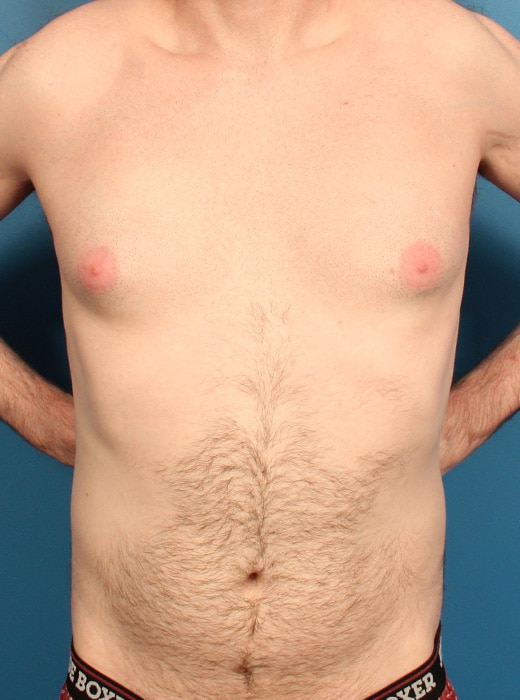
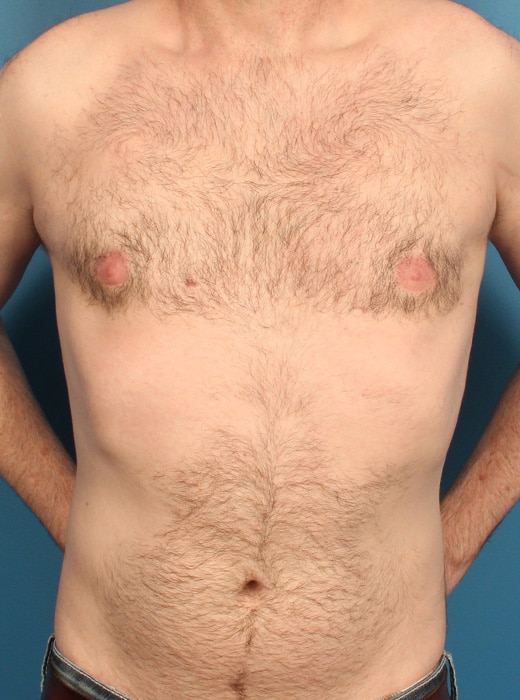
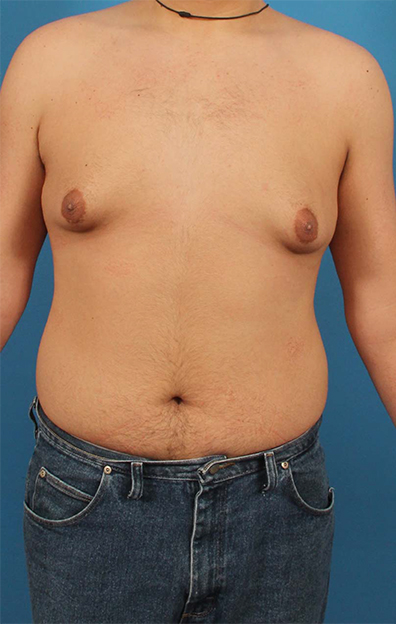
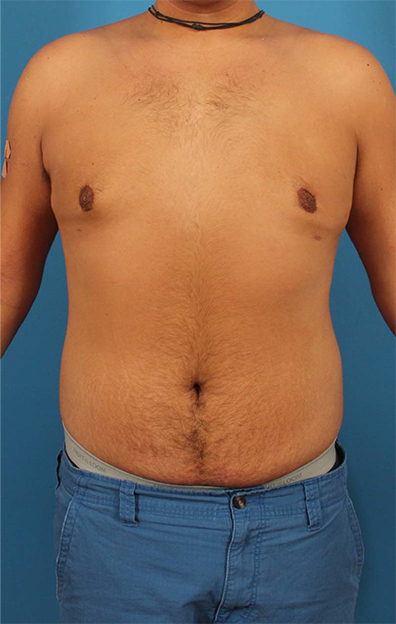
Gynecomastia surgery removes excess glandular tissue, fat, and, when necessary, skin to create a flatter, more contoured, and masculine-looking chest.
Hormone Changes and Gynecomastia
Changes in hormone levels that raise estrogen or lower testosterone play a central role in gynecomastia. These fluctuations can occur naturally or be triggered by medical conditions, medications, or lifestyle factors. During puberty or aging, temporary hormonal irregularities may cause breast tissue enlargement. When the imbalance persists, gynecomastia may remain long after hormone levels stabilize.
Why Choose CARE Plastic Surgery for Male Breast Reduction?
REQUEST ConsultationOur surgeon, Dr. Brian Coan, combines advanced surgical expertise with a thoughtful understanding of men’s aesthetic goals. Each procedure is tailored to create a more defined, masculine chest while maintaining natural proportions. We prioritize privacy, safety, and results that look authentic with minimal, discreet scarring. At CARE Plastic Surgery, every patient receives individualized treatment, attentive care and long-term support throughout their surgical journey.

Your Gynecomastia Consultation at CARE Plastic Surgery
During your consultation, you will meet one-on-one with our surgeon to discuss your concerns, goals, and what you would like to improve about your chest. A physical examination helps determine whether excess glandular tissue, fat, or a combination of both is contributing to breast fullness. Together, you will review realistic outcomes, treatment options, and the surgical plan tailored specifically to your body. This visit is also the ideal time to ask questions about expected results, the recovery timeline, and long-term maintenance.
Am I a Good Candidate for Gynecomastia Surgery?
You may be an excellent candidate if you:
- Are in good health and at a stable weight
- Have realistic expectations about the outcome
- Do not smoke or can stop before surgery
- Feel self-conscious or uncomfortable with the appearance of your chest
- Understand the benefits, limitations and risks of the procedure
Before moving forward, Dr. Coan may recommend evaluating and ruling out any medical conditions that could be contributing to breast enlargement.
How to Prepare for Your Gynecomastia Surgery
- Complete any required medical testing
- Avoid medications or supplements that may increase bleeding
- Prep easy meals and arrange for support during recovery
- Stop nicotine use as instructed
- Stay hydrated the day before surgery
- Fill prescriptions in advance
- Follow fasting instructions and arrive in comfortable clothing
Our team will provide a detailed pre-surgery checklist to help you prepare.
Gynecomastia Surgery
On the day of surgery, our team will guide you through each step, ensuring you feel comfortable and informed. After reviewing your surgical plan, your surgeon will mark the treatment areas and answer any final questions. You will also meet with your anesthesia provider before entering the operating room.
Gynecomastia surgery may include:
- Removal of glandular tissue
- Liposuction of excess fat
- Reduction or repositioning of the nipple-areola complex (if needed)
Most procedures take approximately one to two hours to complete.
Gynecomastia Surgery Results and Recovery
After excess tissue is removed, your incisions are carefully closed with sutures. You will rest in the recovery area before being cleared to return home with a trusted adult. Swelling, tightness, and soreness are common in the early days of recovery. Most patients only need a few days off work, depending on their comfort level. A compression garment is worn to support the chest, minimize swelling, and help create a smooth, refined contour as you heal.
Recovery Tips
- Begin light walking as soon as approved
- Shower after 36 to 48 hours
- Maintain hydration and a protein-rich diet
- Wear your compression vest as directed
- Avoid strenuous exercise until cleared
- Attend all scheduled follow-up visits
Our team is always available to answer questions as you heal.
When Will I See Results?
Initial improvement becomes visible as swelling subsides, typically within a few weeks. Final results usually develop over three to four months as the chest fully settles and heals. Most patients enjoy long-lasting results, especially when maintaining a stable weight and healthy lifestyle.
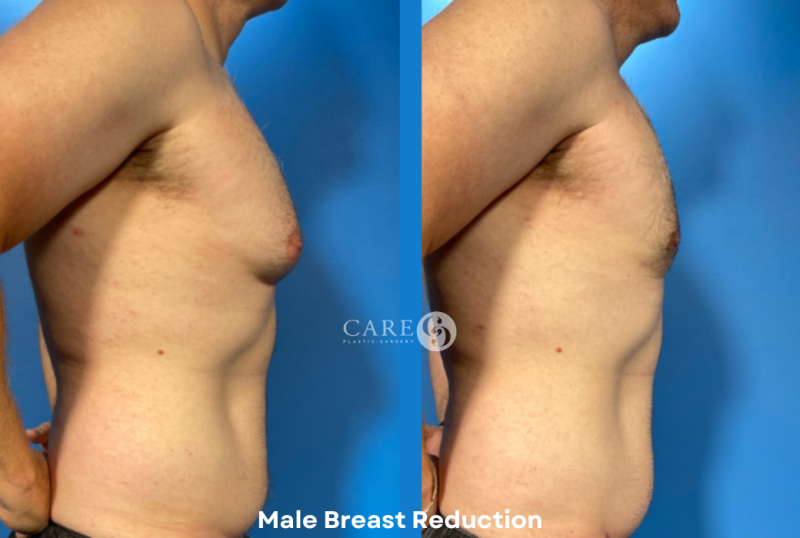
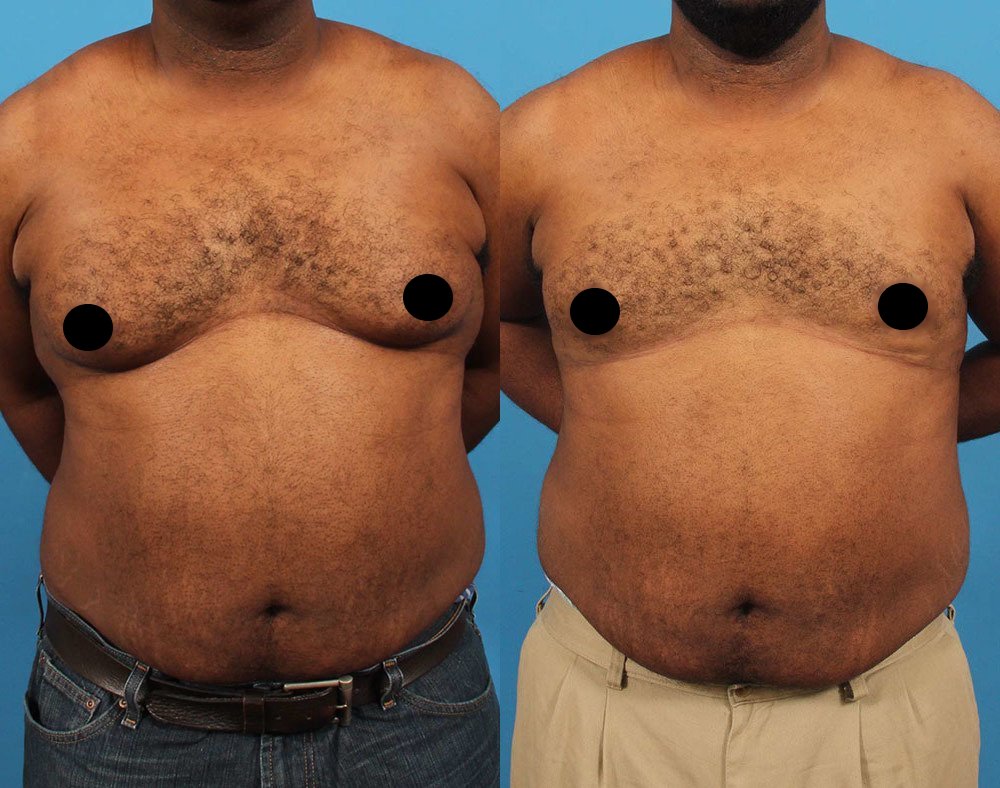
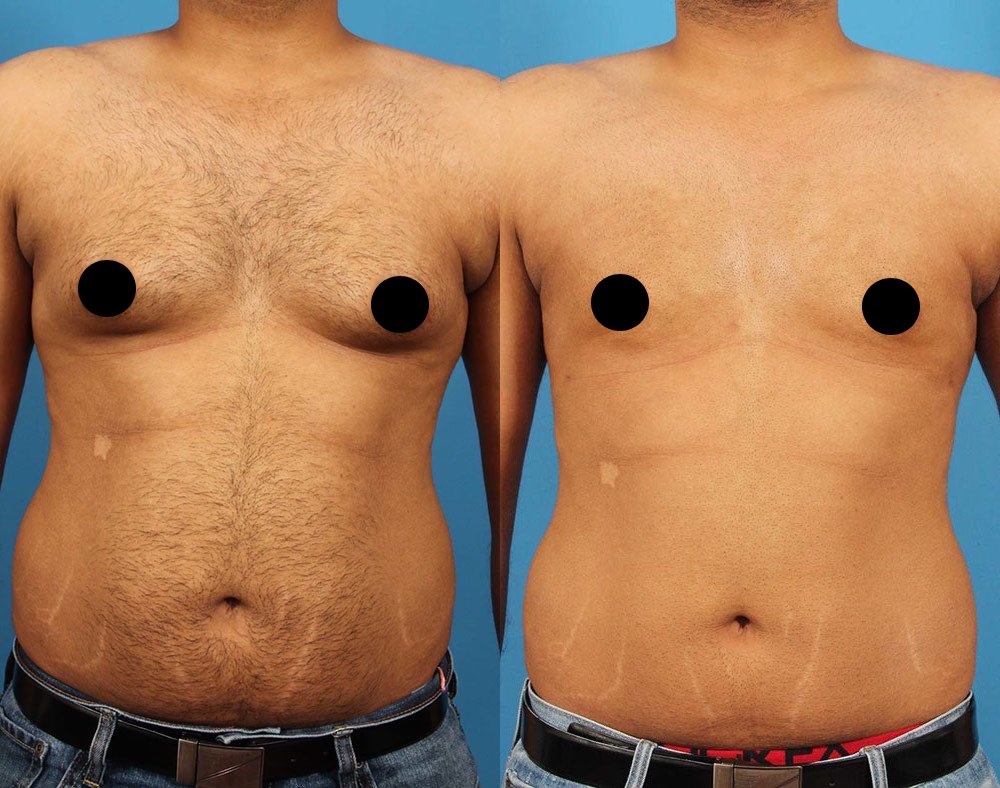
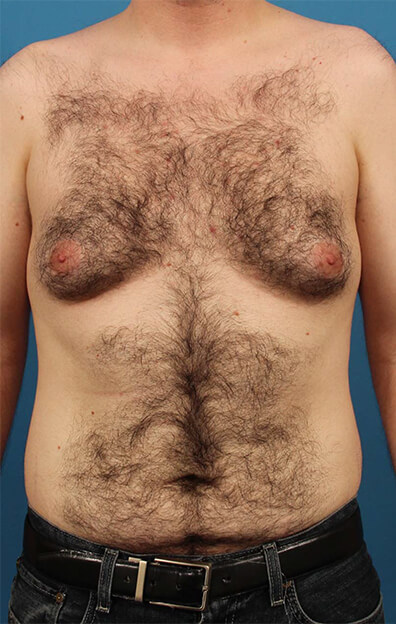
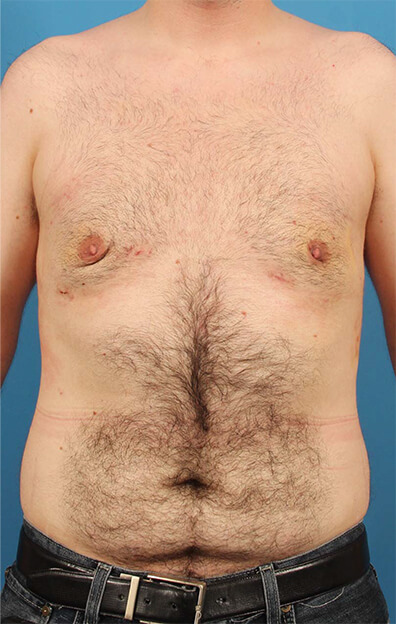
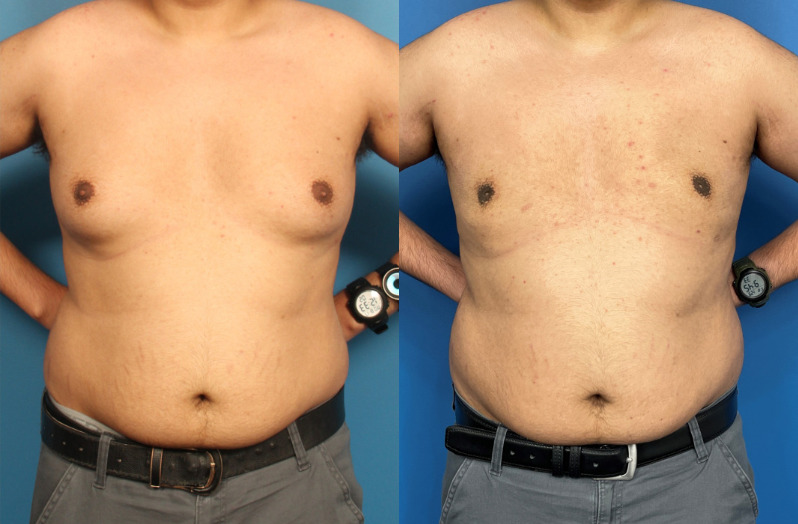
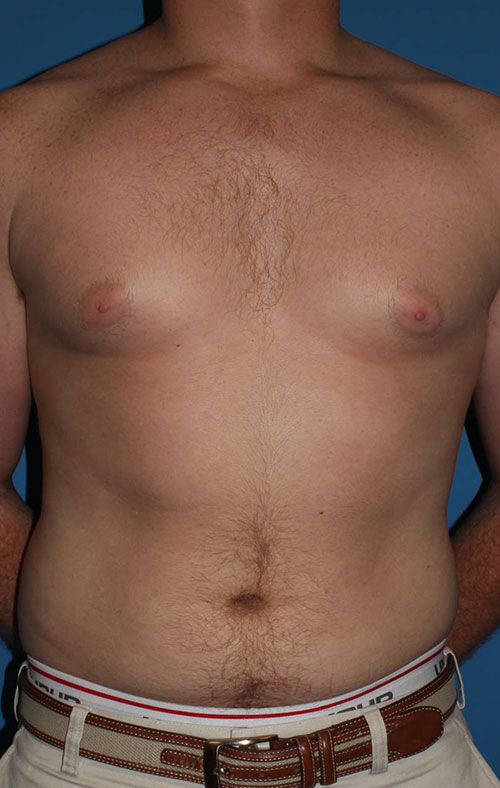
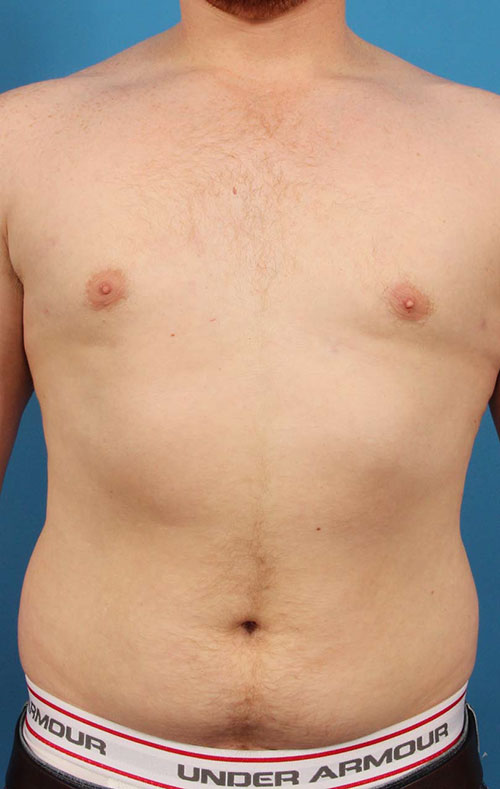
Before & After Photos
See More



Book a Consultation Now!
Request ConsultationFrequently Asked Questions
Can male breasts be reduced?
How can I reduce my chest gynecomastia?
Can losing weight remove gynecomastia?
Does surgery get rid of gynecomastia?
Can man boobs be reduced without surgery?
Is gynecomastia surgery painful?
What are the most common causes of gynecomastia in adult men?
How long is the recovery period after gynecomastia surgery?
Are there any non-surgical alternatives for treating gynecomastia?
Will gynecomastia surgery affect my chest muscle strength or function?
Can gynecomastia return after surgical treatment?
Contact Us